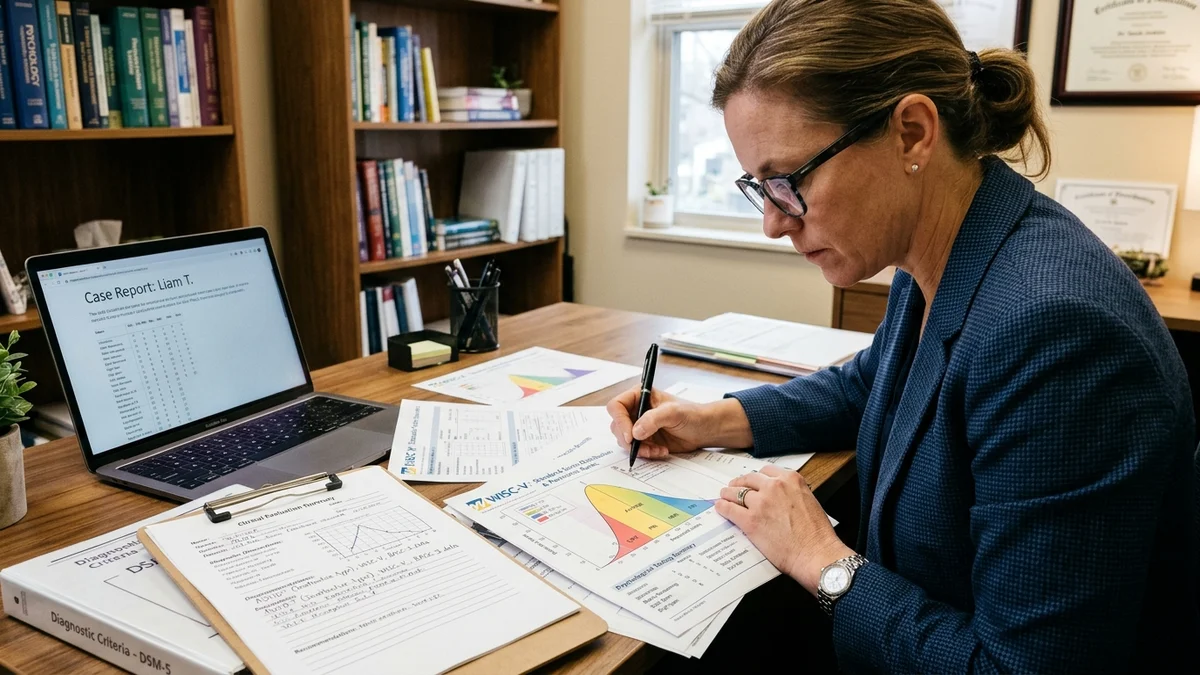
Navigating California's special education legal maze requires more than good intentions. When disputes arise over SELPA IEE Policy Restrictions & Cost Caps, school districts have teams of specialized attorneys, program specialists, and administrative coordinators working to protect district budgets and limit institutional liability.
Under 34 C.F.R. § 300.502(e), the criteria under which an IEE is obtained, including location and evaluator qualifications, must be the same as the criteria the public agency uses when it initiates an evaluation, to the extent those criteria are consistent with the parent's right to an IEE.
Unfortunately, parents across California public school districts frequently encounter defensive administrative roadblocks: SELPAs often establish artificially low fee caps (e.g. $1,500 for a comprehensive neuropsychological evaluation) and strict 30-mile geographic radius limits to prevent parents from hiring qualified independent psychologists.
To defend your child's right to a Free Appropriate Public Education (FAPE), you must master the procedural safeguards established under California Education Code and federal IDEA regulations.
1. The Governing Statutory & Case Law Mandate
The legal foundation of SELPA IEE Policy Restrictions & Cost Caps is established under 34 C.F.R. § 300.502(e) and OSEP Policy Letters (Letter to Anonymous, Letter to Parker).
California special education law does not treat these provisions as advisory suggestions. They are mandatory procedural requirements. Under established precedent from the U.S. Supreme Court (*Endrew F.*, *Burlington*, *Honig v. Doe*) and the California Office of Administrative Hearings (OAH), procedural violations that significantly impede a parent's participation in the decision-making process or cause a deprivation of educational benefits constitute a direct denial of FAPE.
Procedural Safeguard Alert
Never rely on verbal assurances or casual hallway agreements with school administrators. In special education law, if an accommodation, timeline extension, or service agreement is not reduced to writing and signed by the parties, it legally does not exist.
2. Parent Protection & Strategic Action Blueprint
OSEP policy explicitly states that school districts must allow parents the opportunity to demonstrate that 'unique circumstances' justify an evaluator whose fees exceed the cost cap or who is located outside the geographic boundary. If the district refuses, they must file for Due Process.
Key Documentation Checkpoints:
- Written Timestamped Records: Always send formal communications via email to create an indisputable time and date record.
- Demand Full Records: Exercise your right under California Education Code § 56504 to inspect all pupil records within 5 business days.
- Partial Consent Rights: Never sign an entire IEP amendment if you disagree with service cuts. Consent only to what helps your child and reject the disputed changes.
3. The Role of an Independent Educational Evaluation (IEE)
In almost every legal dispute involving SELPA IEE Policy Restrictions & Cost Caps, the conflict hinges on contrasting interpretations of the child's true clinical needs. The school district claims their internal assessments prove the student is making adequate progress or no longer qualifies, while parents know their child is struggling or regressing.
This is where an Independent Educational Evaluation (IEE) conducted by CAS Evaluations provides decisive legal leverage.
Under California Education Code § 56329(b), parents have the absolute legal right to obtain an independent evaluation at public expense whenever they disagree with a district evaluation. An independent assessment conducted by Donald Ghrist, M.S., LEP #2703 provides:
- Unbiased Standardized Psychometrics: Objective cognitive, executive, academic, and behavioral test batteries uninfluenced by district cost constraints.
- Direct Classroom & Setting Observations: Documenting the functional impact of disputed policies in real-time educational environments.
- Court-Defensible Clinical Findings: Concrete, actionable placement and accommodation mandates that hold school districts accountable in OAH mediation and Due Process hearings.
Frequently Asked Questions (FAQ)
Can a California SELPA limit where my independent evaluator is located?
Only if the district enforces the exact same geographic limits for its own contracted assessors. However, if your child requires specialized expertise (such as severe apraxia, ADOS-2, or deaf/hard-of-hearing testing) not available locally, the district must waive geographic limits.
Can a school district cap the fee for an IEE in California?
While SELPAs may establish reasonable cost caps reflecting prevailing community rates, OSEP policy mandates that districts must permit exceptions for unique circumstances. Unreasonable caps that effectively prevent parents from securing an evaluator violate IDEA.
What happens if my chosen evaluator's fee exceeds the SELPA cap?
The parent should submit a written request for a cost-cap exception explaining the student's unique diagnostic needs. The district must either fund the evaluation at the private rate or immediately file for Due Process with OAH.
Can a school district require that the IEE assessor hold a school credential?
No. California Education Code and state licensing boards recognize Licensed Educational Psychologists (LEPs) and licensed clinical psychologists as fully qualified to conduct independent educational evaluations without holding an active district teaching credential.
Can the school district force me to use their contracted agency?
No. The entire purpose of an Independent Educational Evaluation is complete independence from district influence. Parents have the unilateral right to select their evaluator so long as state licensing standards are met.